1. Introduction to Telecare
Telecare refers to the delivery of health, mental health, and supportive care services using communication technologies rather than face-to-face contact.
In psychiatric and counselling practice, telecare involves structured clinical interactions through phone calls, video sessions, secure messaging, and remote monitoring systems.
Telecare is not a lesser form of care. When properly delivered, it follows the same ethical, clinical, and professional standards as in-person services. It improves access, continuity, and safety — especially for those facing barriers to traditional care.

Online Psychotherapy Session
Comfortable support from home

Telehealth Video Consultation
Secure and private connection
2. Purpose and Scope of Telecare
From a mental health perspective, telecare serves several clear purposes:
- To provide timely psychiatric and psychological support
- To reduce barriers related to distance, mobility, stigma, or cost
- To ensure continuity during crises, travel, illness, or emergencies
- To support long-term management of mental & behavioural conditions
- To extend care to underserved or remote populations
Telecare can be primary or supplementary, depending on clinical needs.
3. Types of Telecare Services
3.1 Psychiatric Telecare
- Psychiatric evaluations
- Diagnosis & medication management
- Monitoring treatment response & side effects
- Psychoeducation for patients and families
3.2 Counselling and Psychotherapy Telecare
- Individual, family or couples counselling
- Cognitive & behavioural therapies
- Trauma-informed counselling
- Supportive therapy & coping skills training
3.3 Crisis and Support Telecare
- Short-term emotional support
- Risk screening & safety planning
- Referral coordination
- Follow-up after acute stressors
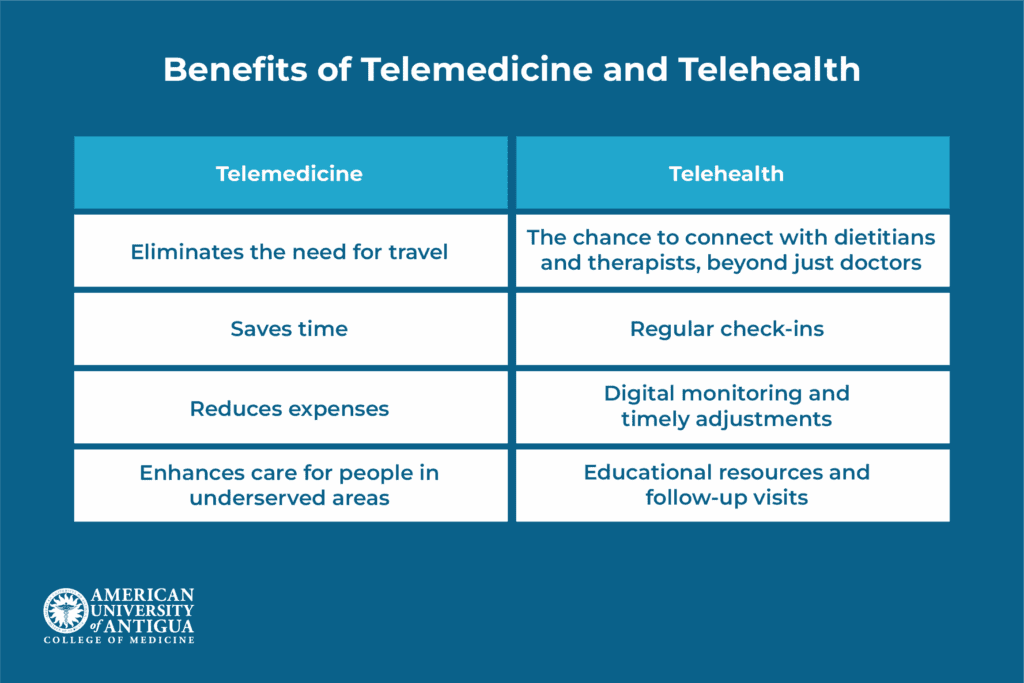
8. Benefits of Telecare
- Improved access to care
- Reduced travel time and cost
- Greater scheduling flexibility
- Continuity during life disruptions
- Increased comfort & reduced stigma
- Higher consistency in attendance & engagement

Key Advantages of Telehealth
Accessibility, convenience, continuity
Understanding Telehealth Scope
Broad reach in modern care
16. Final Professional Perspective
From both a psychiatric and counselling standpoint, telecare is a legitimate, effective, and ethical method of delivering mental health care.
It expands access, supports continuity, and meets people where they are — while maintaining high clinical standards.
Telecare is not about replacing human connection. It is about preserving care, dignity, and support in a changing world.