1. Introduction
Evaluation is the structured process used by mental health professionals to understand a person’s psychological, emotional, behavioural, and social functioning. It is the foundation of safe and effective mental health care.
Through evaluation, a psychiatrist or counsellor gathers information to clarify concerns, identify strengths, recognize challenges, and decide on appropriate support or treatment.
Evaluation is not an examination to pass or fail. It is a collaborative conversation aimed at understanding the person as a whole.

Supportive Counselling Session
Building trust through conversation

Psychiatric Evaluation Setting
Professional and compassionate discussion

Collaborative Family Assessment
Understanding context together
2. Purpose of Mental Health Evaluation
- To understand why a person is seeking help
- To identify symptoms, stressors, and behavioural patterns
- To determine if a mental health condition may be present
- To assess emotional, cognitive, and social functioning
- To guide treatment planning and decision-making
- To establish a baseline for monitoring progress
- To identify strengths, coping skills, and support systems
Evaluation ensures care is appropriate, ethical, and truly responsive to individual needs.
6. Core Components of a Mental Health Evaluation
- Identifying Information (age, occupation, living situation…)
- Presenting Concerns (the person’s own words first)
- History of Present Concerns (onset, course, triggers…)
- Personal & Developmental History
- Medical History
- Mental Health History
- Family History
- Social & Environmental Factors
- Substance Use Review
- Mental Status Examination (appearance, mood, thought process…)

Mental Status Examination Overview
Structured clinical observation
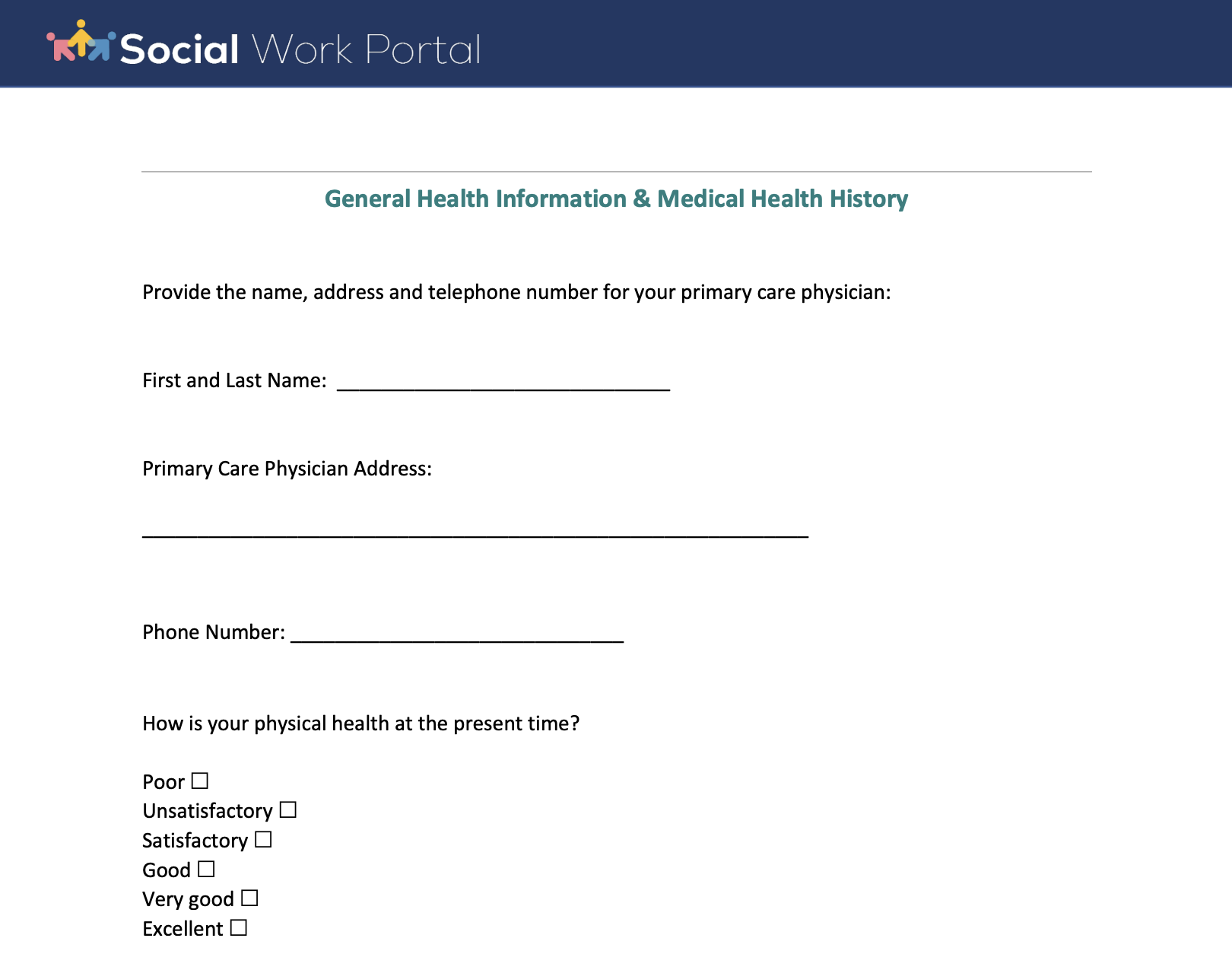
Intake Assessment Structure
Comprehensive starting point
7. The Counselling Perspective on Evaluation
Emphasizes creating a safe, trusting, non-judgmental space; listening to the person’s story, emotions, beliefs, values, and coping styles; identifying strengths; respecting cultural and spiritual perspectives.
Counsellors see evaluation as an ongoing, evolving process built on trust.
8. The Psychiatric Perspective on Evaluation
Includes assessing symptom patterns and duration, biological/neurological factors, medications, physical health interactions, functional impairment, and whether medical treatment may help.
Integrates psychological insight with medical knowledge.
12. Outcomes of an Evaluation
- Clearer understanding of concerns
- Recommendations for counselling, therapy, or skills training
- Consideration of medication when clinically appropriate
- Referrals to specialists or services
- Psychoeducation and self-help strategies
- A shared, collaborative plan forward
14. Conclusion
Evaluation is the cornerstone of responsible mental health care. It is a careful, respectful, collaborative process that seeks understanding rather than judgment.
It allows professionals to see the full person — not just symptoms — and supports informed, compassionate, effective help.
Seeking an evaluation is a powerful act of self-awareness and responsibility — never a sign of weakness.