1. Definition and Overview
Bipolar disorder is a mood disorder involving periods of unusually elevated mood (mania or hypomania) and periods of depression. These shifts are more severe than normal mood changes and can disrupt sleep, decision-making, relationships, and daily life.
Subtypes include:
- Bipolar I: At least one full manic episode (often with depression); mania may require hospitalization.
- Bipolar II: Hypomanic episodes + major depression; no full mania.
- Cyclothymic Disorder: Milder, chronic hypomanic and depressive symptoms (≥2 years).
- Other Specified/Unspecified: Bipolar-like symptoms not fitting exact criteria.
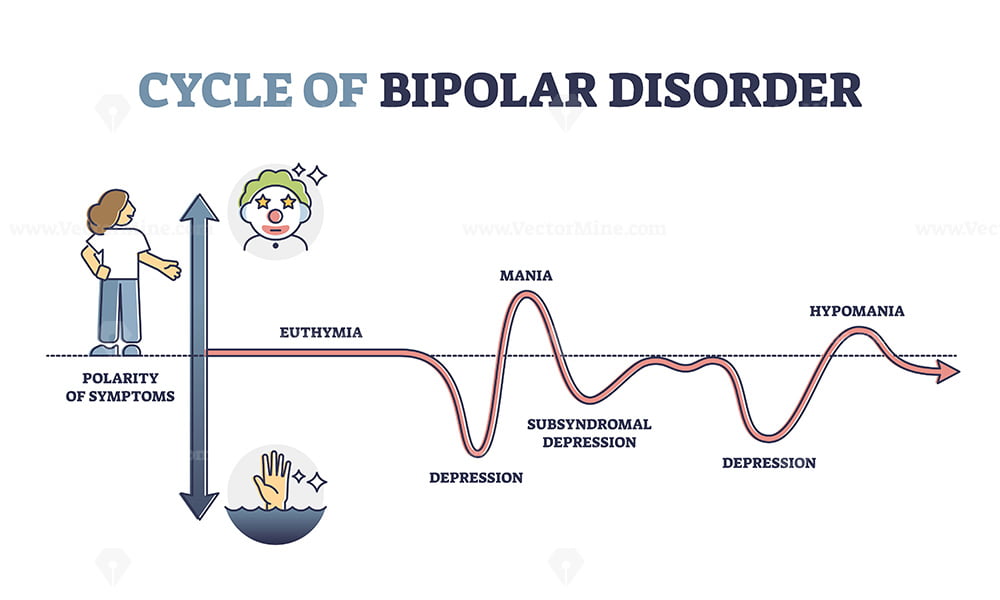
Bipolar Mood Cycle Diagram
Illustrating shifts between mania, hypomania, and depression

Mood Patterns in Bipolar Disorder
Visual representation of episodic changes
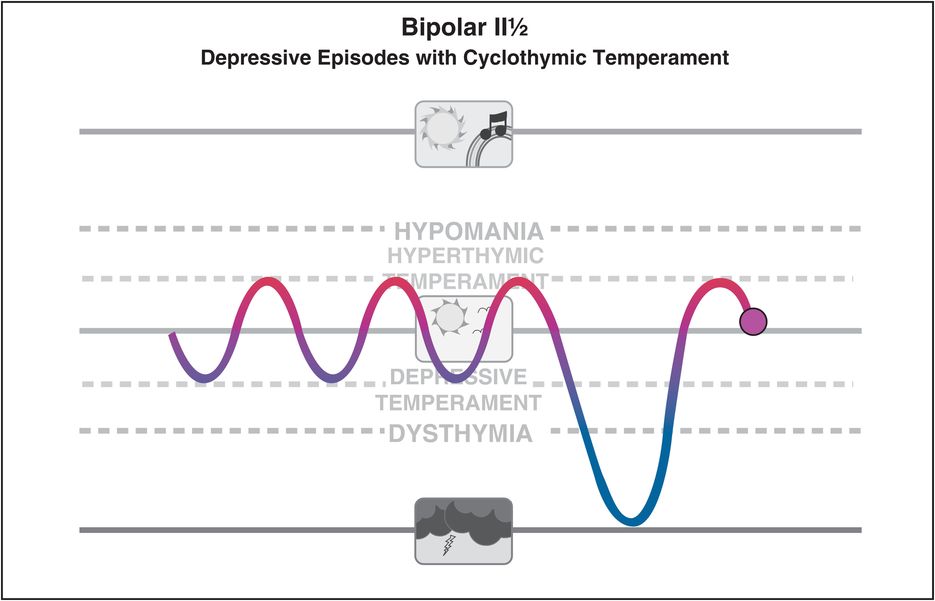
Bipolar Mood Episodes Overview
Classic cycling pattern
2. Causes and Risk Factors
Bipolar disorder arises from a mix of genetic, biological, and environmental influences:
- Genetic: Strong family history; multiple genes involved.
- Biological: Neurotransmitter imbalances (serotonin, dopamine, norepinephrine); brain structure/function differences.
- Environmental: Stress, trauma, substance use, life changes can trigger episodes.
- Other: Onset often late teens/early adulthood.
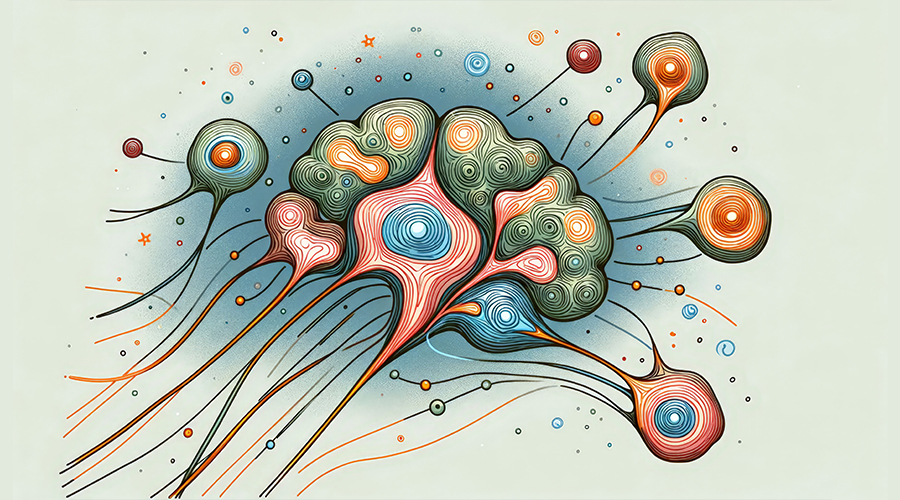
Neurotransmitter Imbalance
Role of brain chemistry in mood disorders
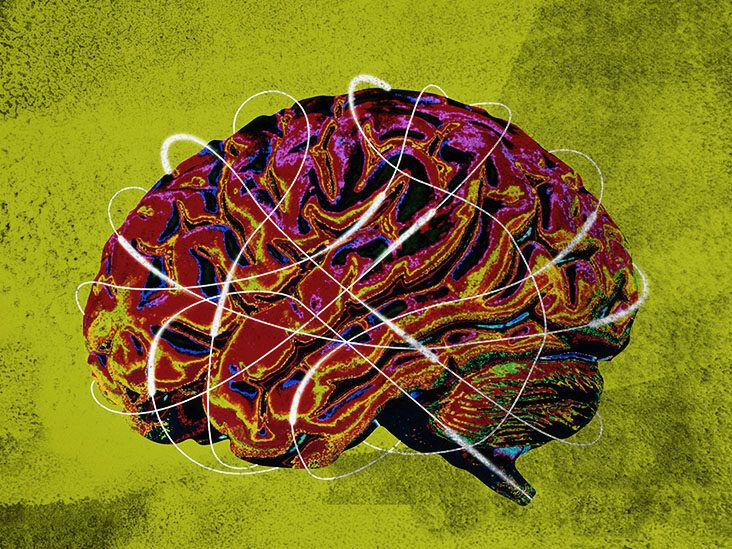
Bipolar & Brain Structure
Biological factors visualized
3. Symptoms
Manic/Hypomanic Phase
- Elevated/irritable mood
- Increased energy/activity
- Reduced need for sleep
- Racing thoughts, rapid speech
- Grandiose ideas, impulsivity (spending, risks)
- Distraction, poor judgment
Depressive Phase
- Persistent sadness/hopelessness
- Fatigue, low energy
- Loss of interest/pleasure
- Sleep/appetite changes
- Concentration issues
- Worthlessness, guilt, suicidal thoughts
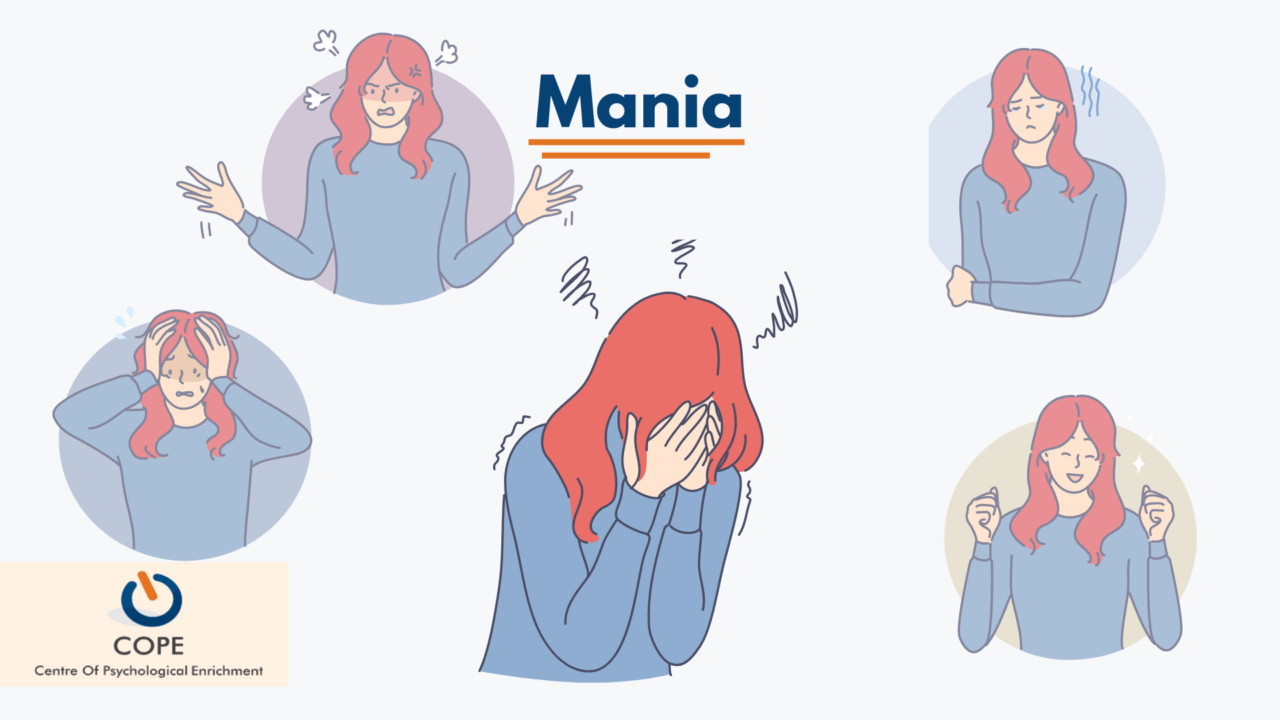
Manic Episode Symptoms
High energy, impulsivity, racing thoughts
:max_bytes(150000):strip_icc()/symptoms-of-mania-380311_final-237f247e10ae42508e8ca3410453ad81.png)
Key Signs of Mania
Visual guide to manic symptoms
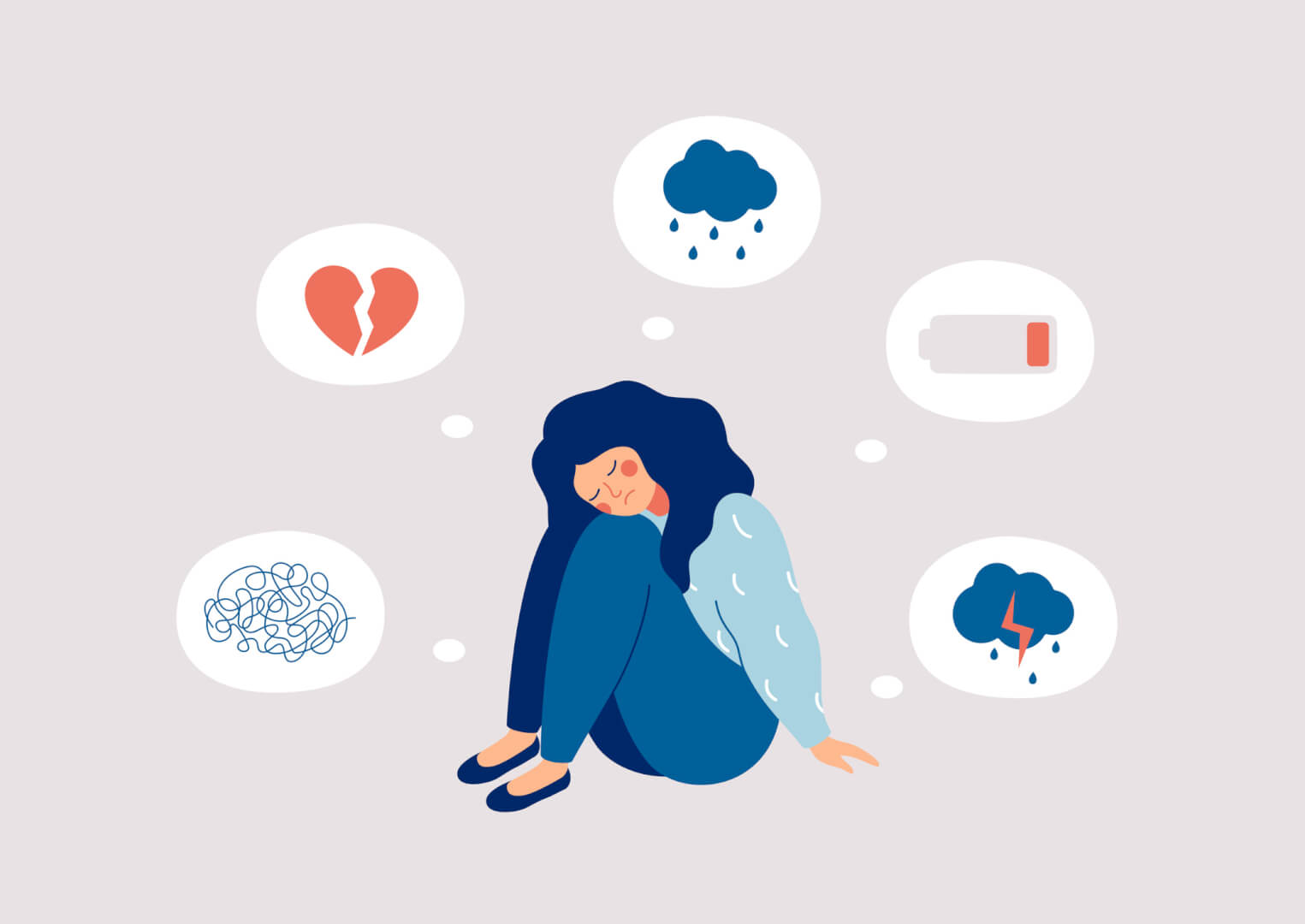
Depressive Episode Signs
Fatigue, hopelessness, withdrawal
5. Treatment Options
Bipolar is lifelong but highly manageable with:
Medication
- Mood stabilizers (e.g., lithium)
- Anticonvulsants (valproate, lamotrigine)
- Antipsychotics for mania/psychosis
- Antidepressants (used cautiously)
Psychotherapy
- CBT: Pattern recognition & coping
- IPSRT: Routine & sleep stabilization
- Family-Focused Therapy
- Psychoeducation
Lifestyle
- Consistent sleep
- Exercise & nutrition
- Stress reduction
- Avoid substances
- Support network
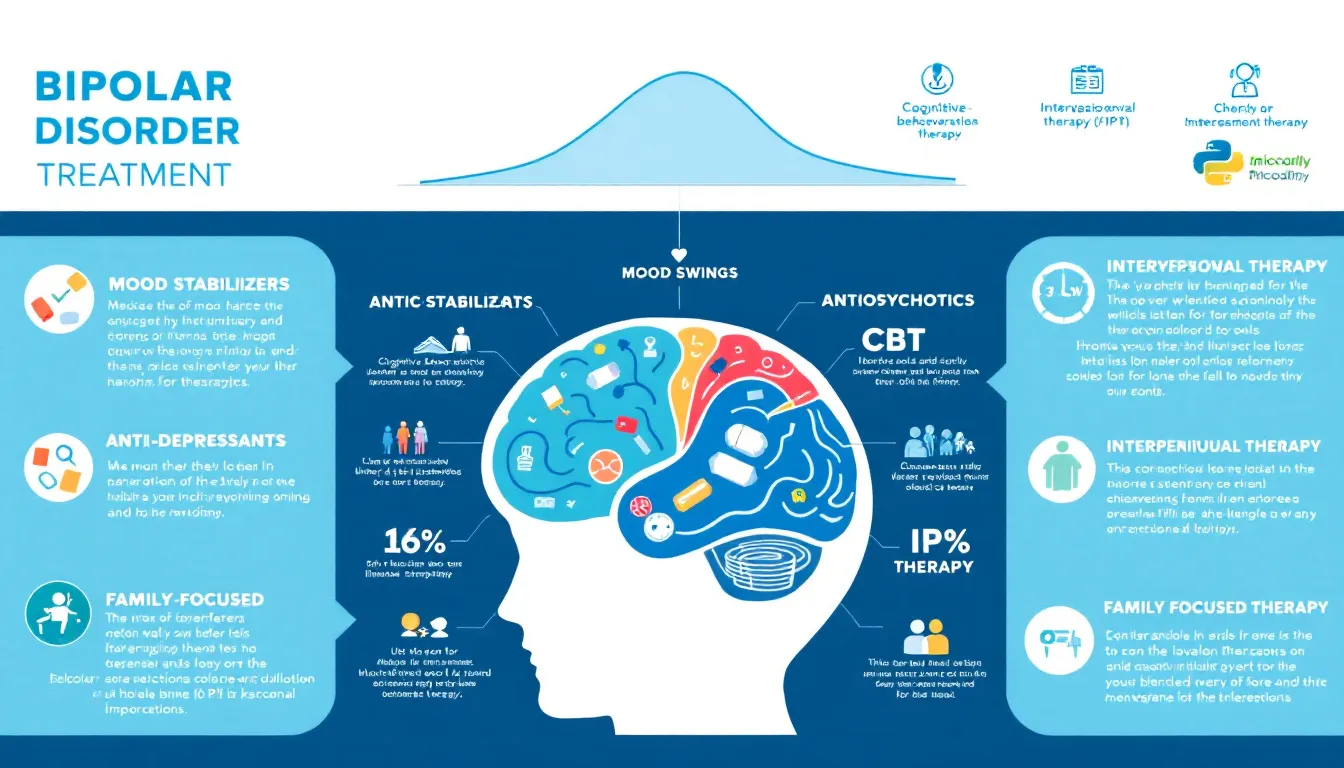
Treatment Options Overview
Medication, therapy, lifestyle integration

Steps to Manage Bipolar
Practical guide to treatment & self-care
Conclusion
Bipolar disorder is manageable with awareness, early diagnosis, and consistent care. Education, support, and treatment adherence enable stable, productive, fulfilling lives. The right combination of medication, therapy, and lifestyle strategies helps individuals regain control and thrive.

Support & Recovery
Building hope with loved ones

Hope & Strength
Thriving beyond diagnosis